



PROCEDURE TIME
Approximately 2-3 hours

ANESTHESIA
Sedation / General anesthesia

INITIAL RECOVERY
Approximately 7 days

FOLLOW-UP VISITS
By appointment

RETURN TO DAILY ACTIVITIES
After 1–2 days of rest

What is Structural Rhinoplasty?
Structural rhinoplasty is not merely about placing a higher bridge; it is a process of “reconstructing” the entire nasal framework. At DD Medi, this is considered the optimal solution for creating a beautiful nasal shape from every angle that remains sustainable over time.
This includes: elevating the bridge, constructing the columella, and shaping the nasal tip. The surgeon will access the entire nasal cavity to correct even the smallest defects, providing your nose with height, projection, and a soft, natural curve.
For cases where the nose has been damaged by previous surgeries, has a deviated septum, or a short, upturned tip, structural rhinoplasty is the only “lifeline.” This method allows the surgeon to re-establish balance, lengthen the tip, and completely rectify previous technical errors.
Popular Structural Rhinoplasty Methods
4D Structural Rhinoplasty
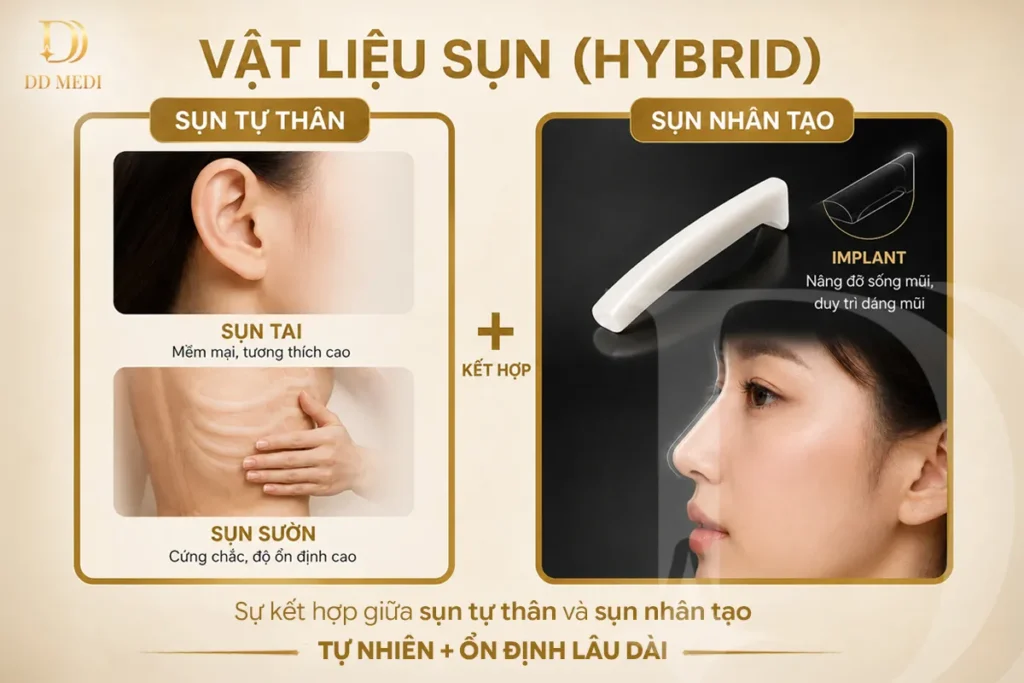
This is the most modern trend, utilizing high-grade artificial cartilage to create a smooth elevation for the bridge, combined with autologous cartilage (ear cartilage, septal cartilage) for flexible tip shaping. DD Medi helps create a natural S-line or a luxurious L-line shape following the golden ratio, making it the top choice for first-time rhinoplasty patients.
Rib Cartilage Structural Rhinoplasty
Using the client’s own rib cartilage is a highly advanced technique with excellent load-bearing capacity. This is the “golden” solution for cases requiring multiple revision surgeries, noses contracted due to complications, or naturally weak nasal structures. DD Medi ensures absolute compatibility by using autologous tissue, helping to reconstruct a sturdy and sustainable nasal shape.
Standard Structural Rhinoplasty
Reconstructing the entire nasal structure by building the septal pillar, lengthening and protecting the tip with autologous cartilage (ear or rib cartilage), combined with artificial cartilage to elevate the bridge.

Surgical Procedure
Rhinoplasty Steps at DD Medi
01
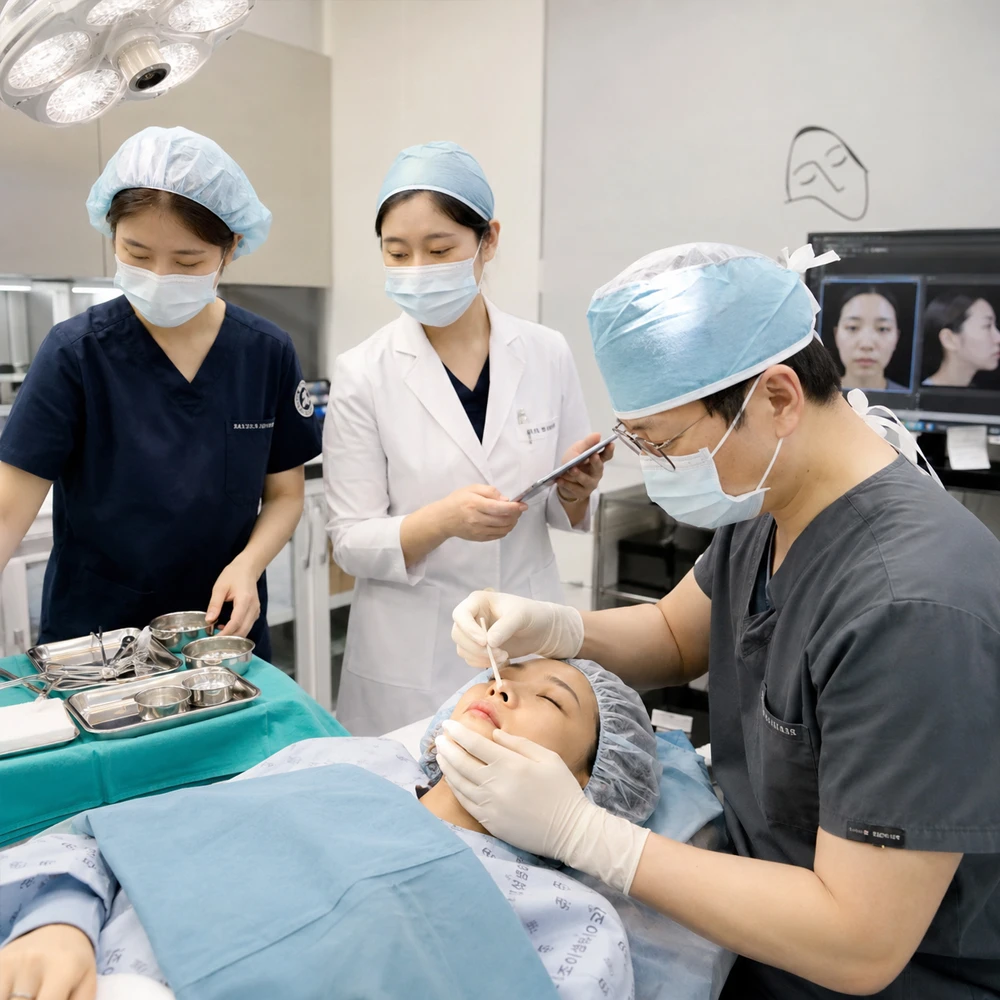
Anesthesia & Preparation
The surgeon performs a gentle sedation method or local anesthesia, ensuring a relaxed and completely painless experience throughout the process.
02
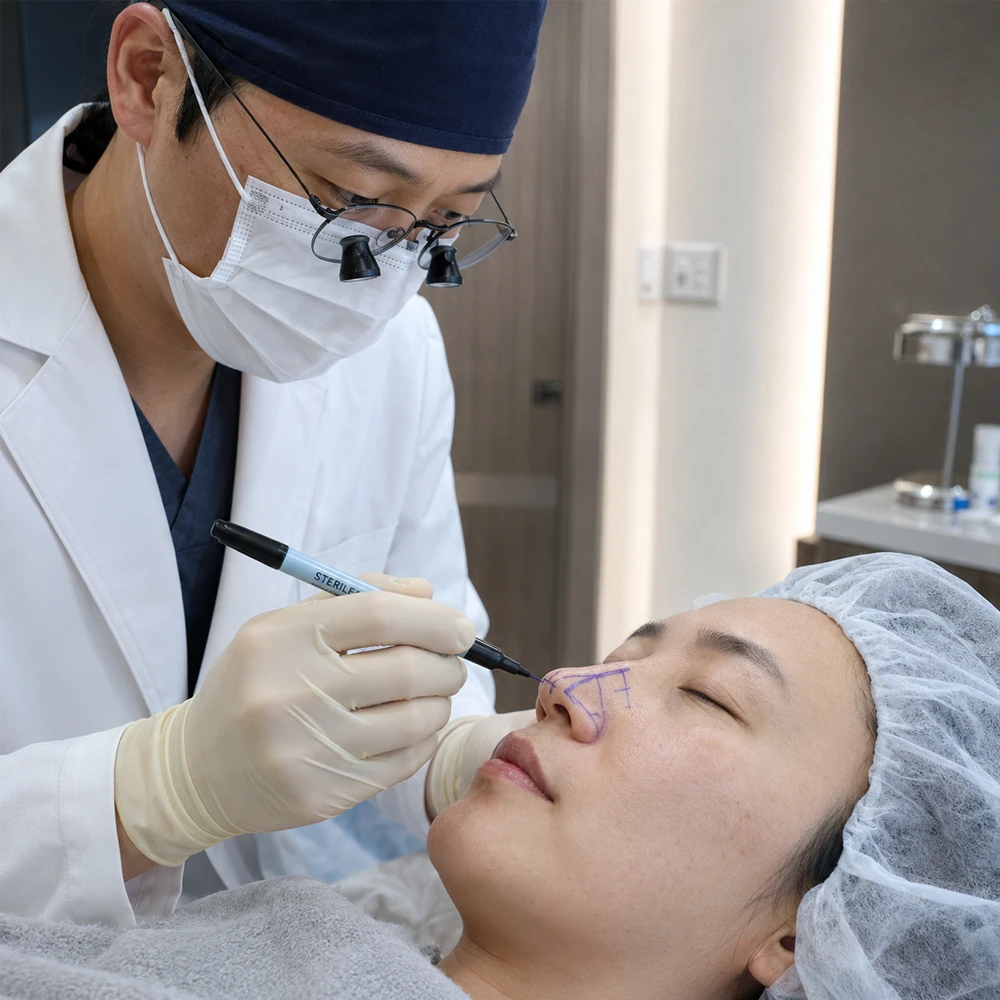
Creating the Access Point
The surgeon creates an appropriate access point according to the treatment plan, usually placed in a discreet location to support the nasal contouring maneuvers.
03
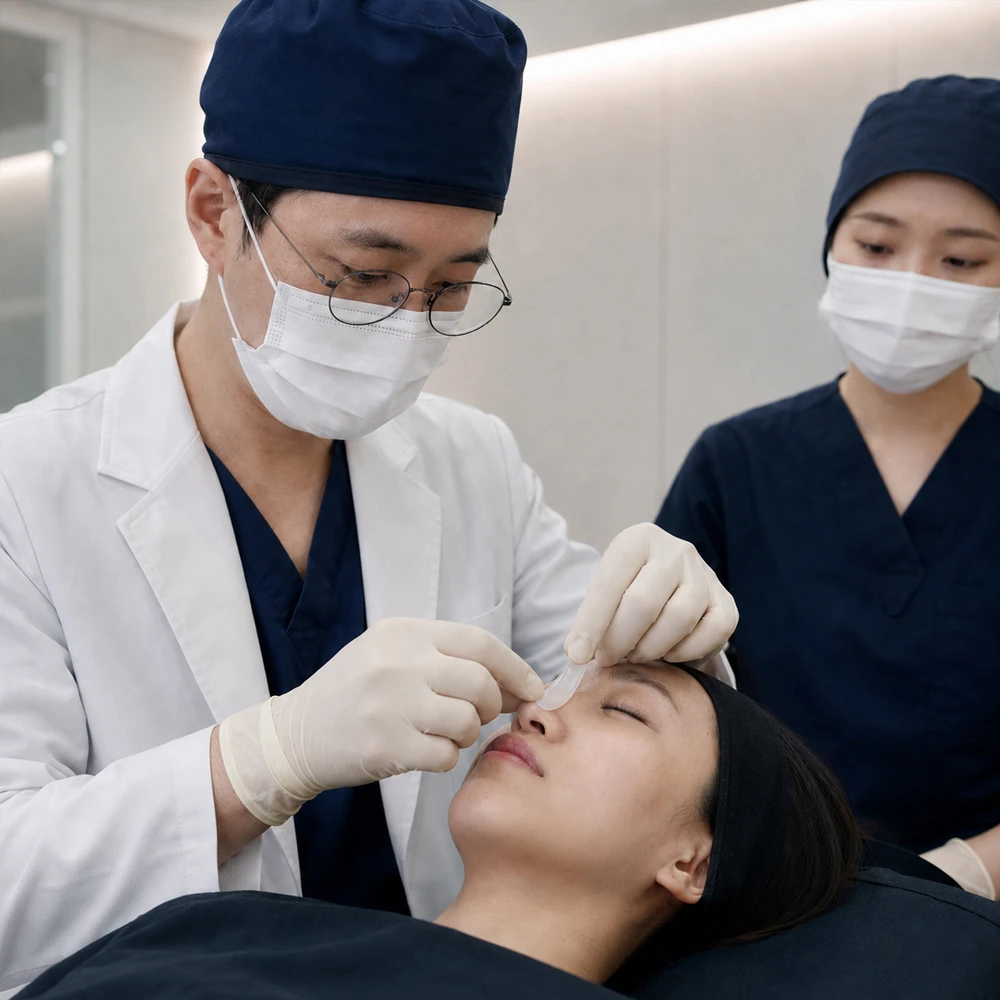
Nasal Shaping
The bridge, tip, or columella is refined according to the actual structure to create soft curves that harmonize with the profile.
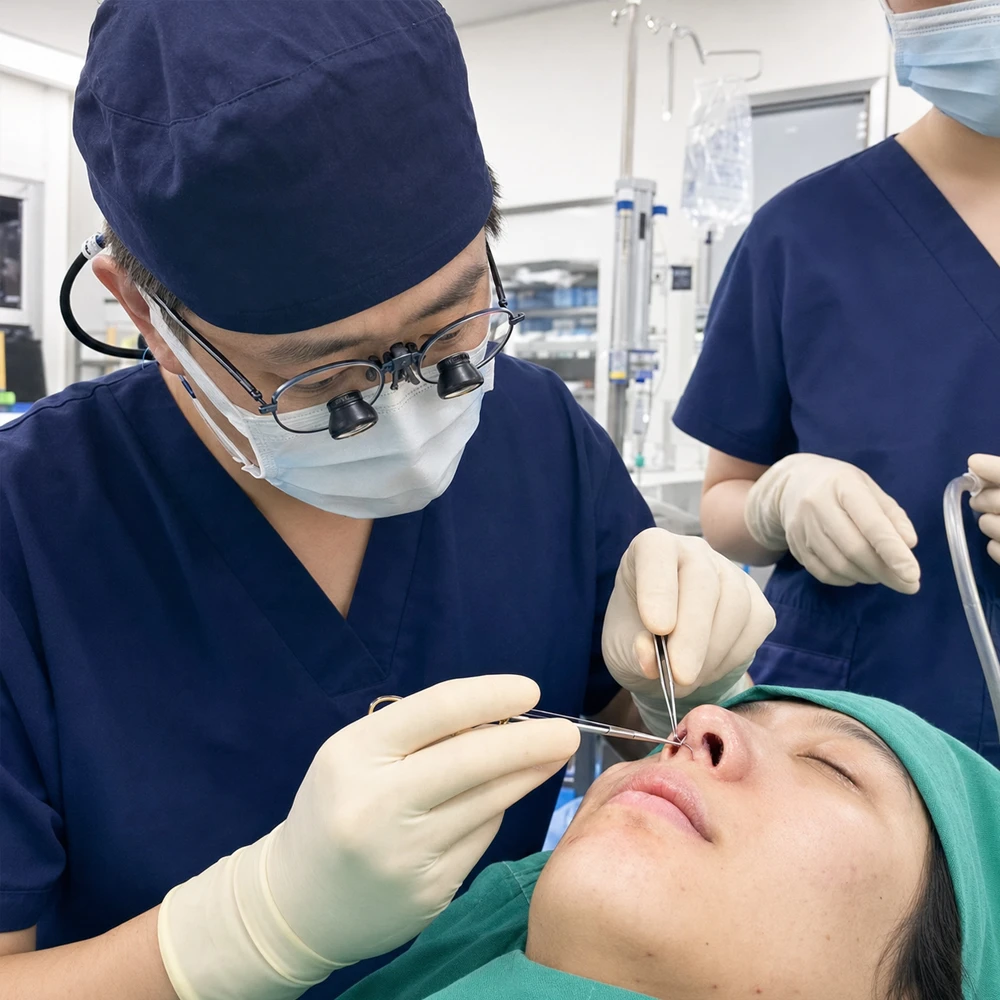
04
Fixation & Completion
Once the nasal shape is defined, the surgeon secures the structure, closes the access point, and supports the stabilization of the nose during the initial recovery phase.
Recovery & Post-Treatment Care
Post-operative care instructions for fast healing and natural beauty
Proper post-operative care is the final step
but is extremely important for rapidly reducing swelling and
helping the designed nasal shape settle into the most accurate form.
Proper home cleaning of the incision and nasal splint
During the first 3 days after surgery, actively apply cold compresses to minimize swelling and bruising, then switch to warm compresses to promote blood circulation.
When performing personal hygiene, it is essential to avoid getting water on the splint and only use specialized cleaning kits along with physiological saline to gently clean the nasal area as instructed by DD Medi.
Foods to eat and avoid to prevent keloid scarring
You should supplement with foods rich in protein and Vitamin C to promote tissue regeneration. In particular, strictly avoid alcohol, beer, and tobacco for at least 4 weeks as these are major factors causing inflammation.
Korean experts recommend limiting overly salty or spicy foods to help minor swelling disappear quickly, resulting in the freshest appearance.
Follow-up schedule and milestones for full nasal stabilization
- Days 7 – 10: Splint removal and suture removal. This is when you can feel more confident going out.
- After 1 month: Approximately 80% of the swelling has subsided, and the elegant contours of the nose begin to show clearly.
- After 3 – 6 months: Internal nasal tissues are completely stable; this is when the nasal shape reaches its most perfect, natural, and beautiful state.
Before & After Images
Rhinoplasty Results Reference
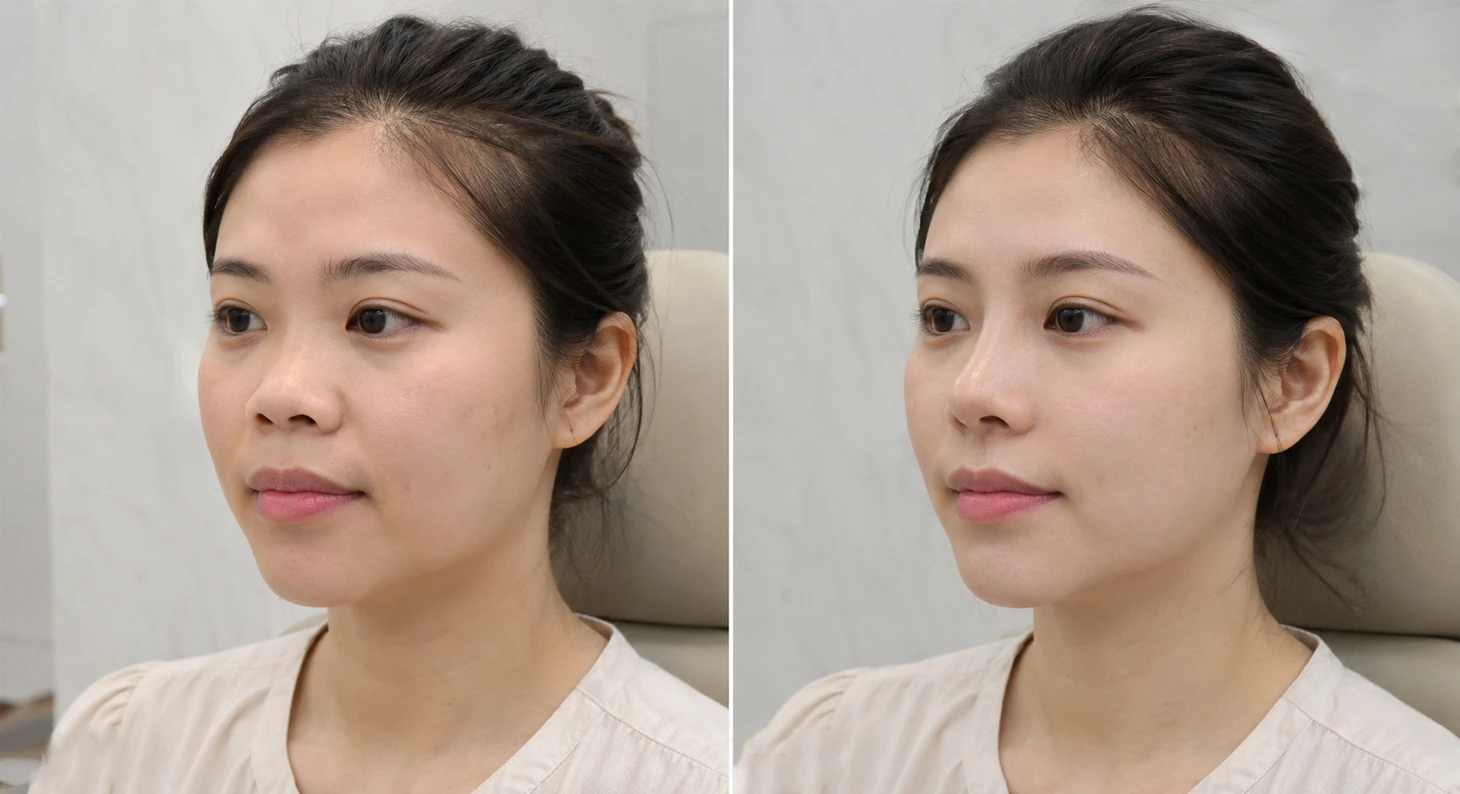
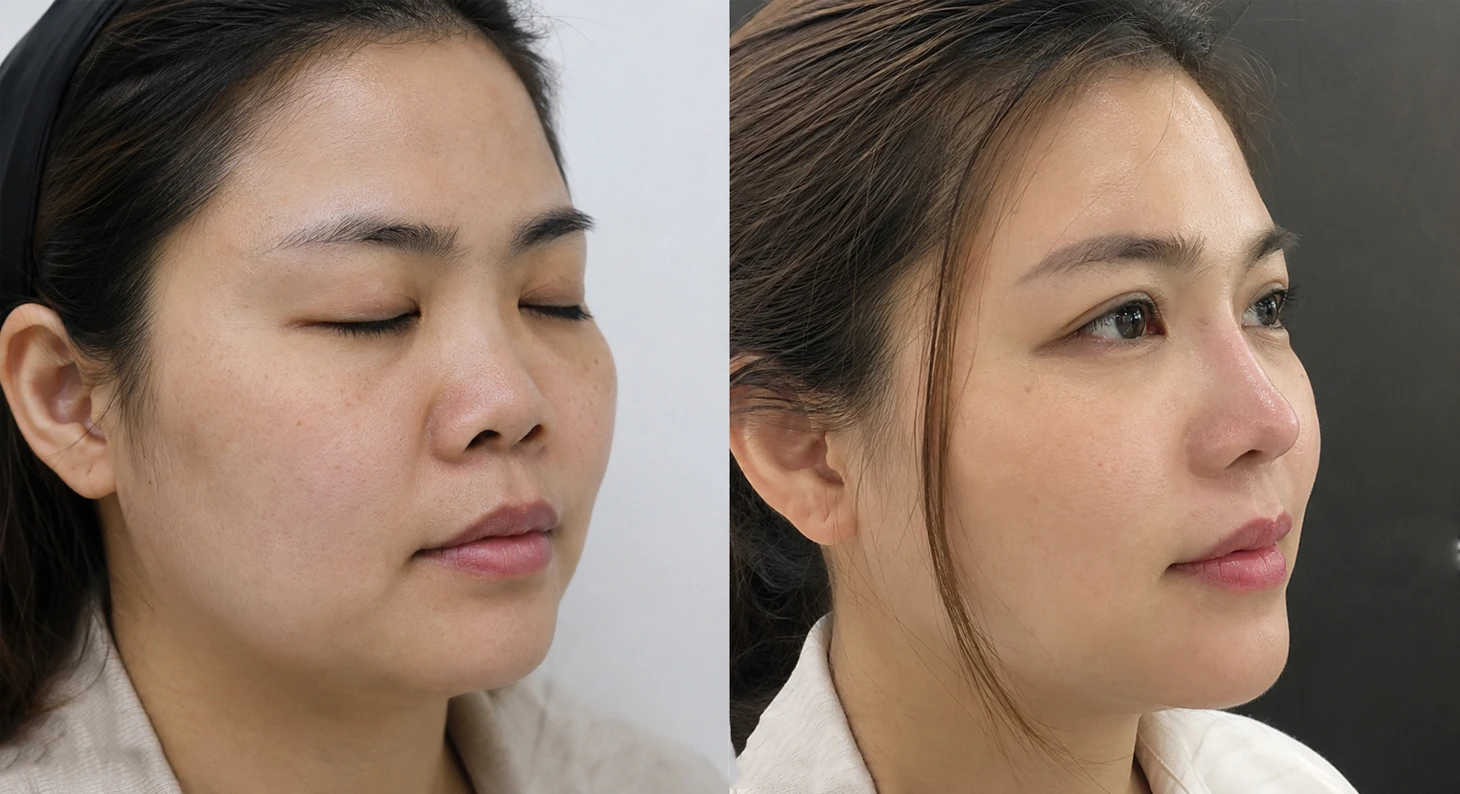
Images are for reference only. Actual results may vary depending on individual constitution, nasal structure, the method performed, and each client’s recovery process.
Related Services
You May Be Interested In
Không tìm thấy dịch vụ trong danh mục này.
Frequently Asked Questions about Rhinoplasty Services at DD Medi
Things to Know Before You Start
1.How long does structural rhinoplasty last, and will the cartilage drop or the bridge become exposed?
2.How long after surgery can I wear glasses and exercise?
3.Does DD Medi accept revisions for noses that have had failed surgeries or complications?
4.Is the consultation process personalized?
5.Does DD MEDI Provide Post-Service Support?
The content in this article is developed based on reputable medical documents and consultation with a team of doctors specialized in plastic surgery, with many years of experience in evaluating and treating rhinoplasty aesthetic conditions.
Information is for reference purposes to help clients understand better before making a decision. For appropriate indications and optimal results, you should undergo a direct examination and receive personalized consultation from a specialist doctor.

Book a Consultation with DD MEDI
Contact the DD Medi hotline to receive the best promotional rhinoplasty quotes today
DD MEDI HEADQUARTERS IN VIETNAM
Meet the DD MEDI Team
In Ho Chi Minh City
