


PROCEDURE TIME
60 – 90 minutes

ANESTHESIA
General anesthesia

INITIAL RECOVERY
7 – 10 days

FOLLOW-UP VISITS
Every 1 – 6 months

RETURN TO DAILY ACTIVITIES
Light movement after 24 hours
What is a hair transplant?
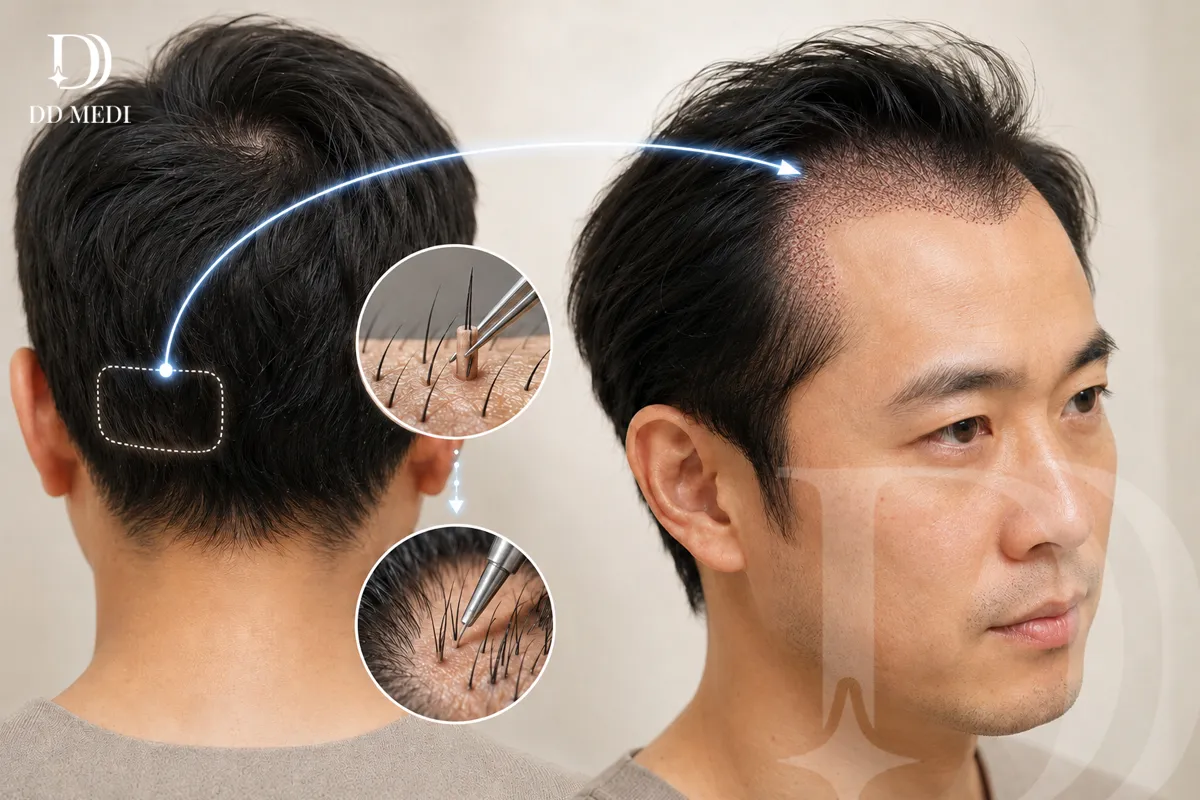
Autologous hair transplant is a method that uses the client’s own healthy hair follicles to transfer to thinning or balding areas. Unlike temporary covering solutions, this method aims to restore hair density using real follicles that are capable of continuing to grow after transplantation.
In modern hair transplant techniques, healthy follicles are typically harvested from the back of the neck, an area with better resistance to DHT (the hormone associated with hereditary hair loss), making it less affected by the balding process. Once extracted, the follicles are carefully processed and transplanted into areas needing restoration, such as M-shaped baldness, crown baldness, thinning at the part, high hairlines, or scarred areas.
Advantages of choosing hair transplant with DD Medi
DD Medi emphasizes meticulousness in every experience to help clients feel more at ease on their journey to regaining confidence with their hair.
Experienced team of doctors
DD Medi prioritizes collaboration with Korean clinics that have teams of doctors specializing in hair transplants and aesthetic follicle restoration. These units have experience performing many actual cases with various conditions of baldness, thinning hair, or hairline corrections.
In addition to the doctors’ skills, the selected clinics must also meet criteria for modern equipment systems, professional post-procedure monitoring protocols, and a highly personalized treatment orientation rather than a mass-produced approach.
Follicle survival and growth rate of over 95%
One of the key factors determining hair transplant results is the ability to preserve follicles during extraction and transplantation. DD Medi always prioritizes clinics with meticulous procedures that focus on each follicle and develop individual protocols based on donor area density, hair loss condition, and each client’s personal style.
Minimizing visible scarring, optimal recovery time, and long-lasting results
For many high-end clients, a hair transplant is not just about improving hair density but also about naturalness and the recovery experience. Modern techniques such as FUE are applied by many Korean clinics to help limit long linear scars, making it more convenient for clients in their daily activities after the procedure.
At the same time, factors such as a soft hairline, natural hair direction, density in harmony with the face, and privacy during the care process are criteria that DD Medi pays special attention to when accompanying clients.
Hair Transplant Procedure
Hair transplant procedure at DD Medi
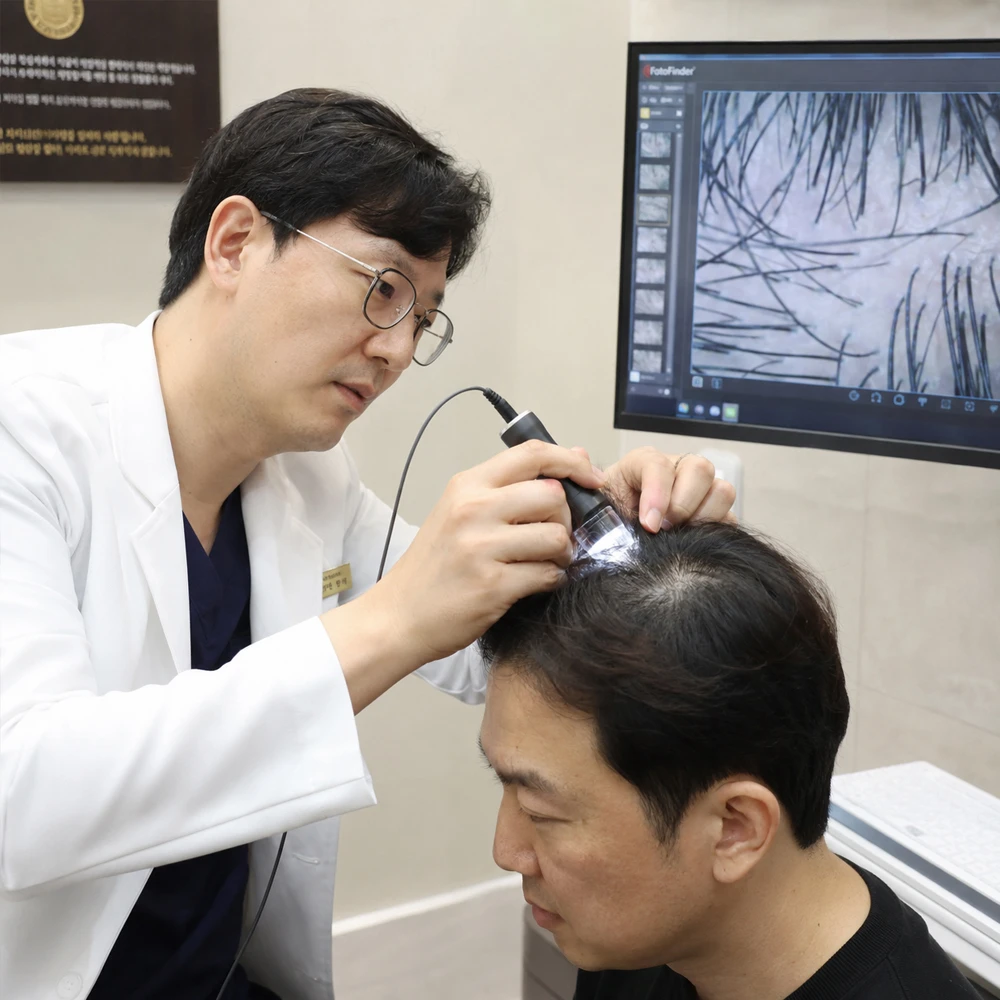
01
Examination and follicle density analysis
Clients undergo checks for hair density, follicle quality, and scalp condition to determine the cause of hair loss as well as suitability for a hair transplant.
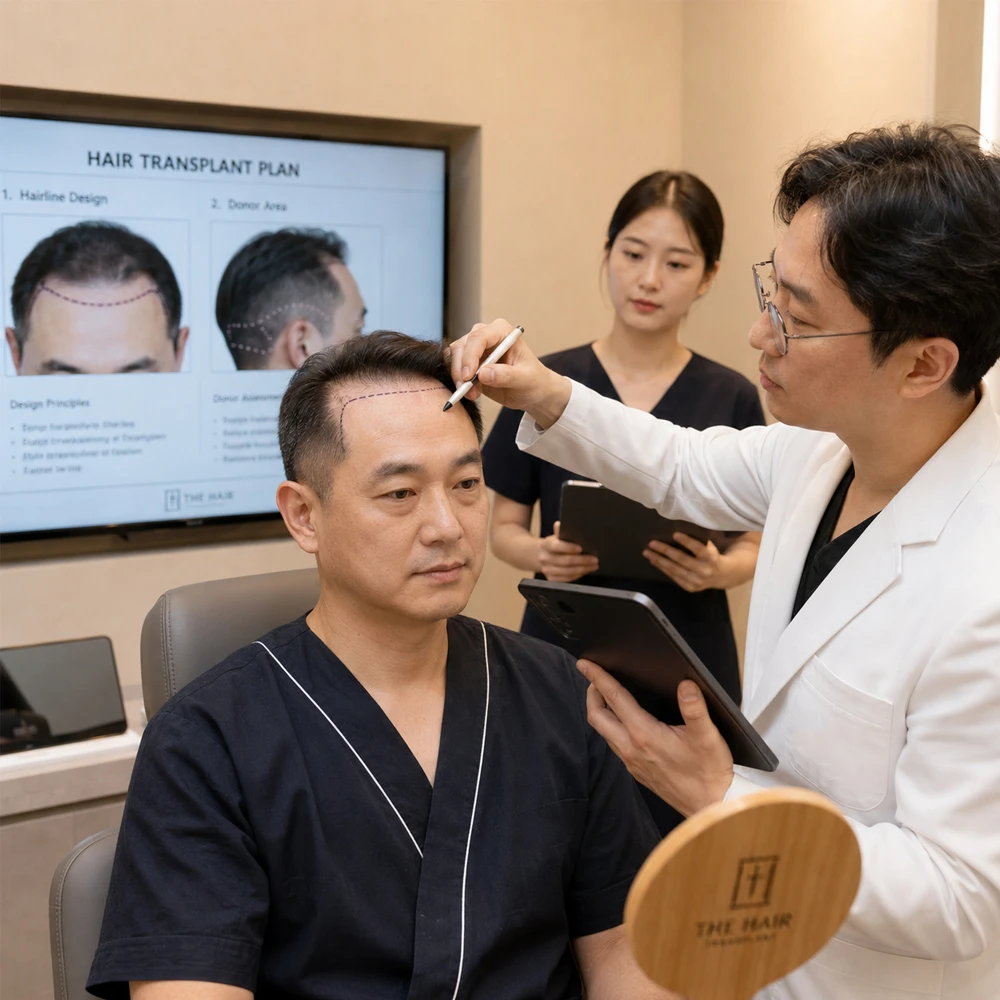
02
Designing the transplant protocol and identifying the donor area
The doctor designs the hairline and transplant density based on facial structure, age, gender, and future hair aging trends.
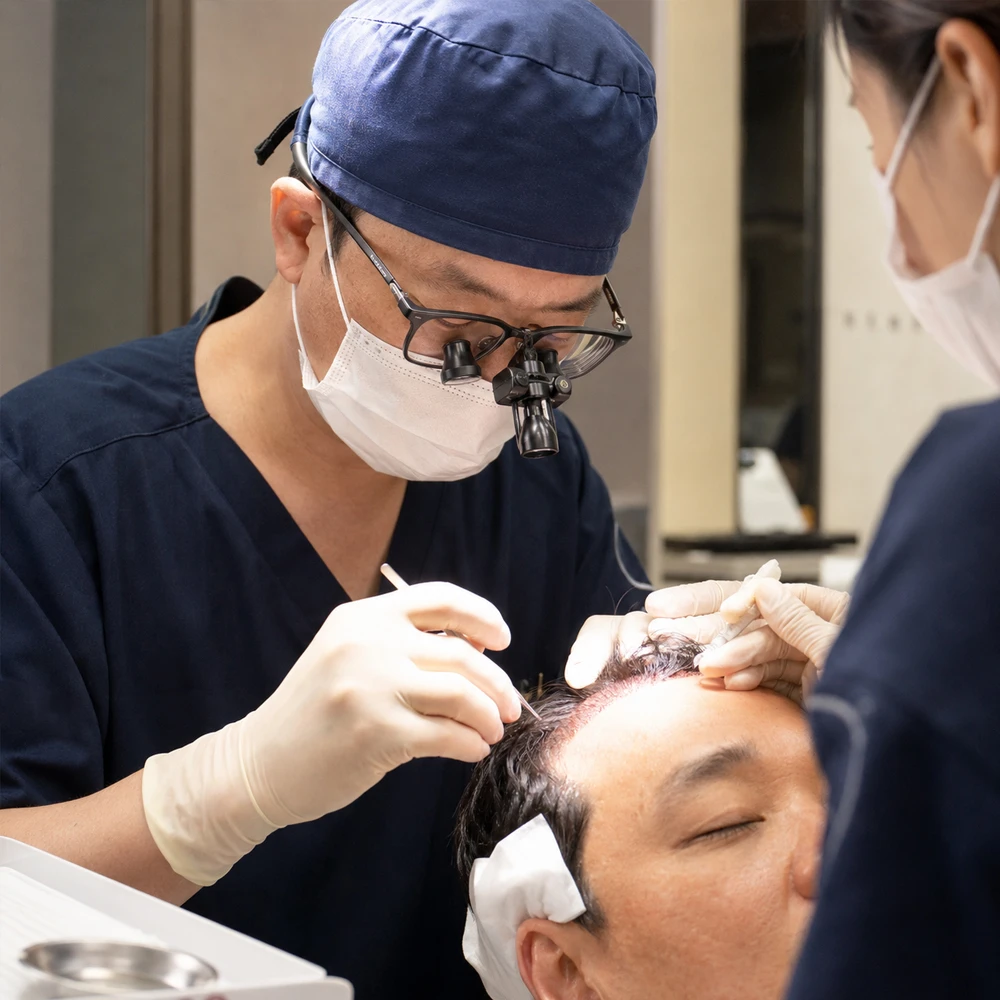
03
Proceeding with follicle extraction and transplantation
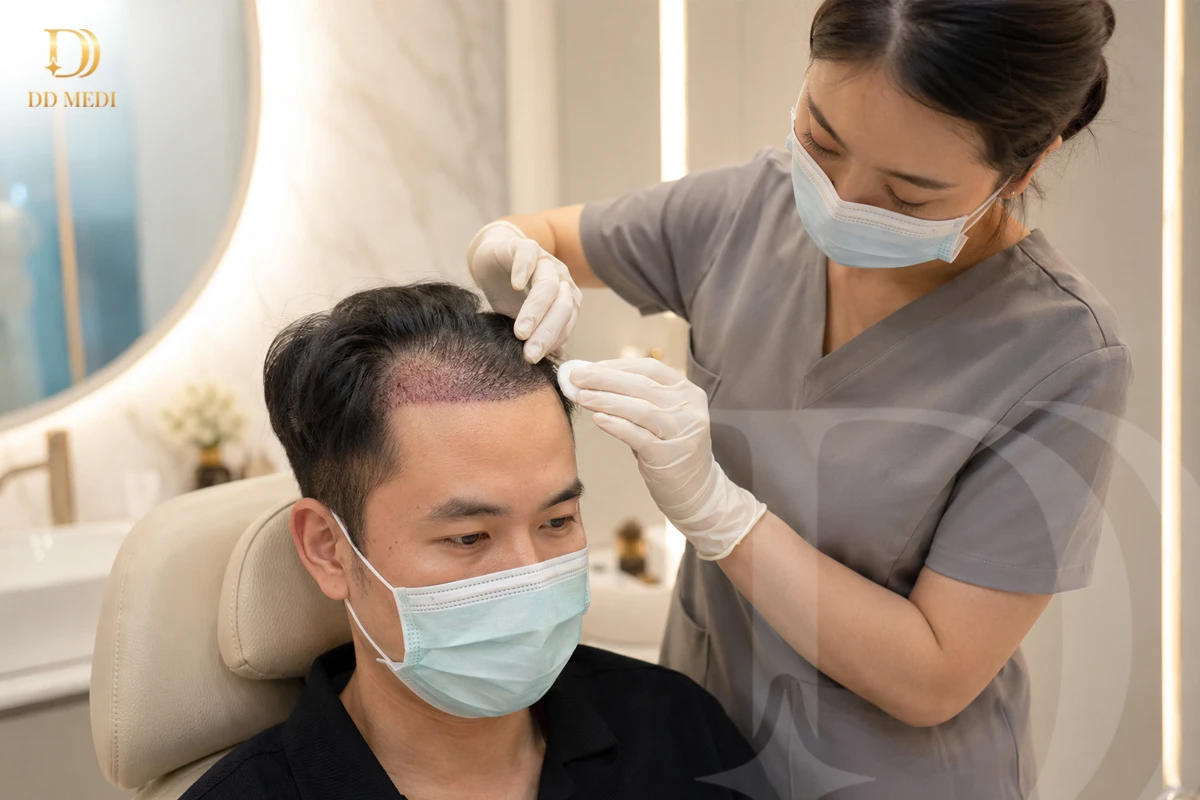
Follicles are carefully harvested and transplanted according to the natural growth direction to create a soft effect, especially in the frontal hairline area.
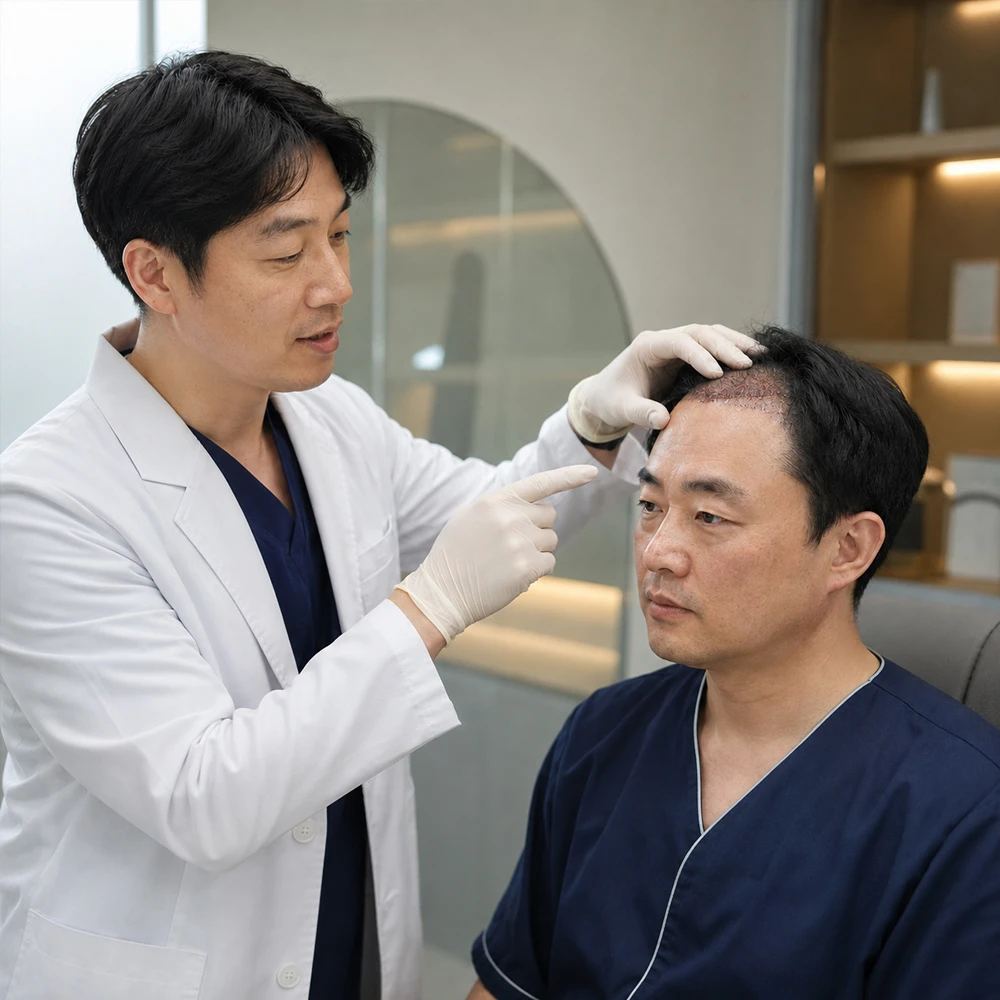
04
Post-transplant care and laser therapy for growth stimulation
After the procedure, clients receive personalized care instructions to support the recovery process and follicle stabilization.
Recovery & Post-Treatment Care
Care and monitoring instructions after a hair transplant
In addition to the technique used, proper care will contribute to a smoother recovery process and optimize the aesthetic results of the hair after transplantation.
Hygiene regimen for the transplanted area and safe hair washing methods
During the first few days after a hair transplant, the scalp is still sensitive, so cleaning must be done gently and according to the doctor’s instructions, such as:
- Limit vigorous rubbing
- Avoid using fingernails directly on the transplanted area
- Prioritize gentle washing and drying
- Sleeping position during the initial stage should also be noted
Nutrition and lifestyle notes
After a hair transplant, the body needs time to regenerate and nourish new follicles, so a healthy lifestyle will significantly support the recovery process.
- Get enough sleep
- Limit tobacco and alcohol
- Ensure adequate intake of protein, zinc, iron, and B vitamins
- Maintain a stable physical condition and limit prolonged stress
Physiological hair loss schedule and the complete regrowth process
After a hair transplant, many clients may worry when they see hair starting to fall out in the first few weeks. However, this is usually a temporary physiological hair loss phenomenon as the follicles enter a new growth cycle.
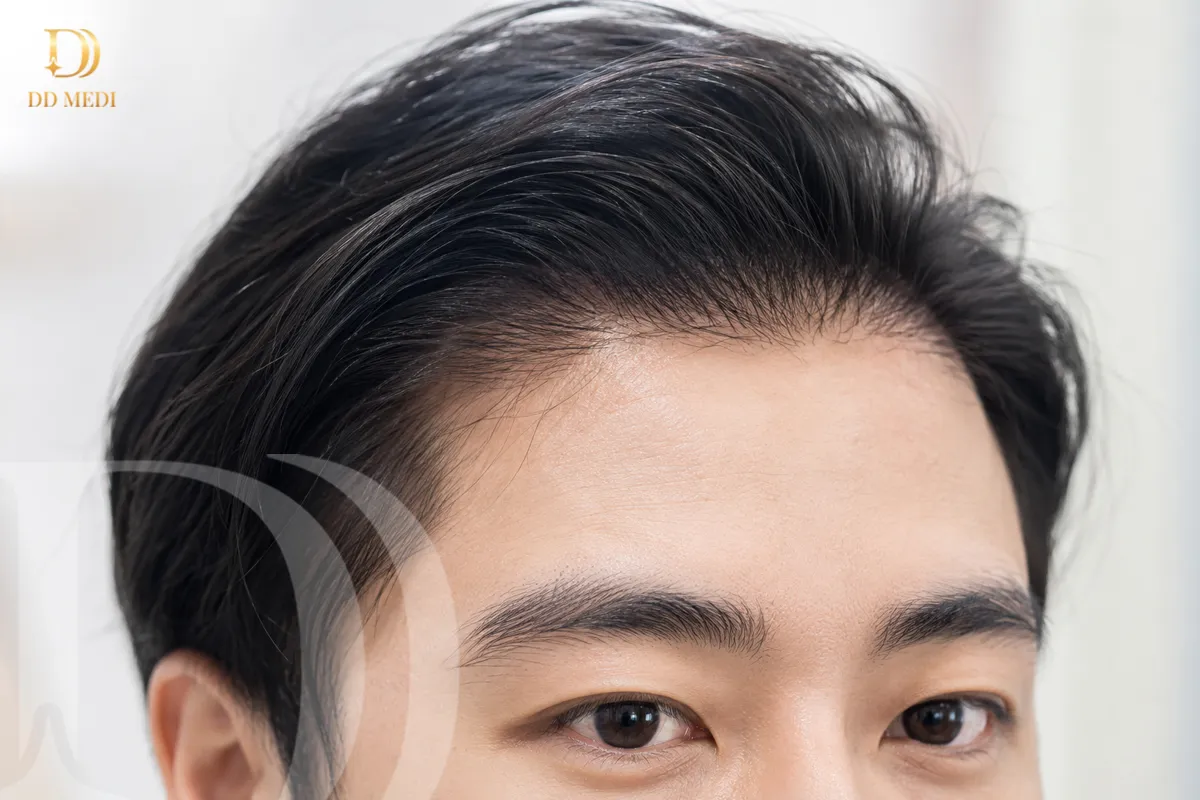
Before and after images of Hair Transplant
Customer reviews of the service experience
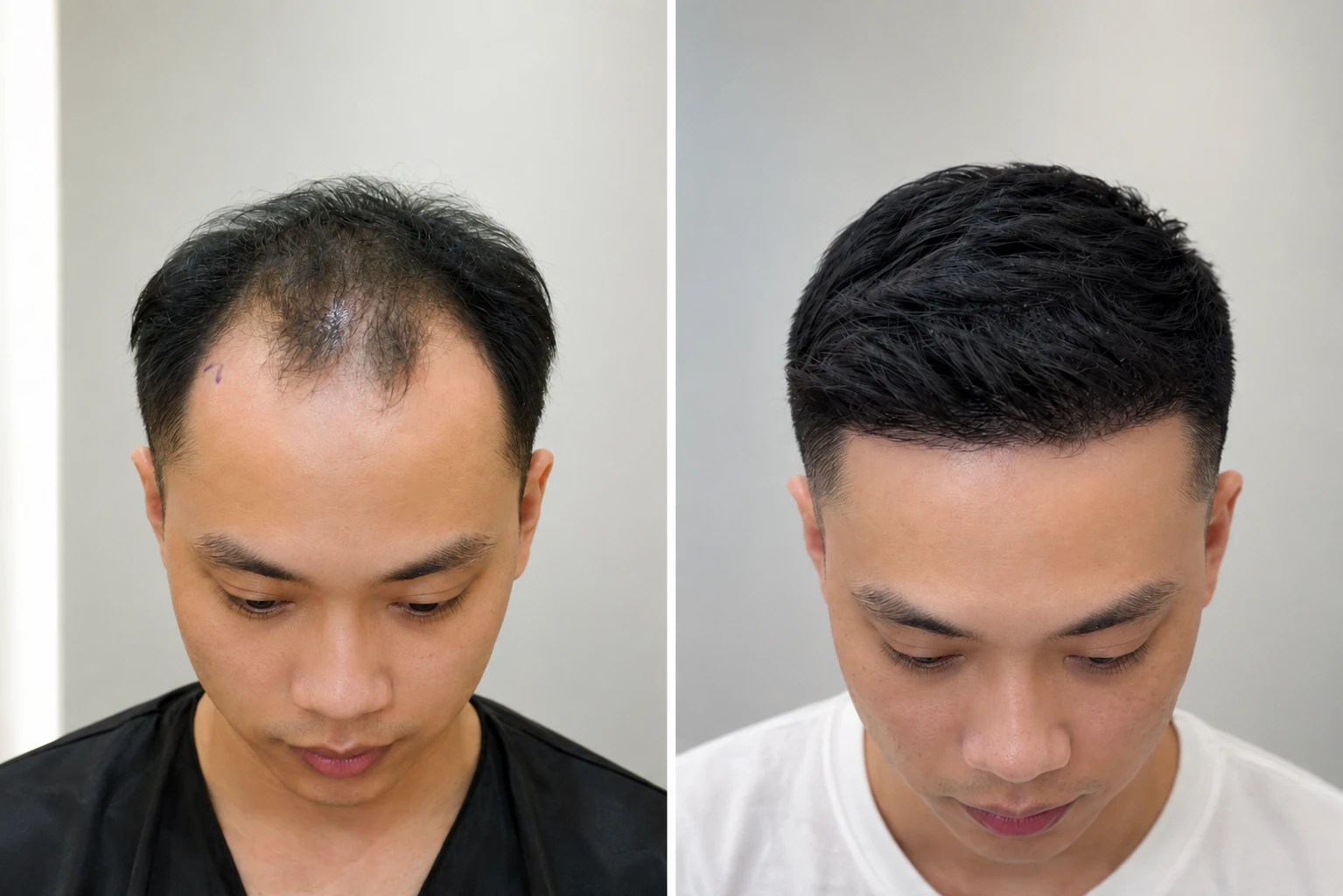
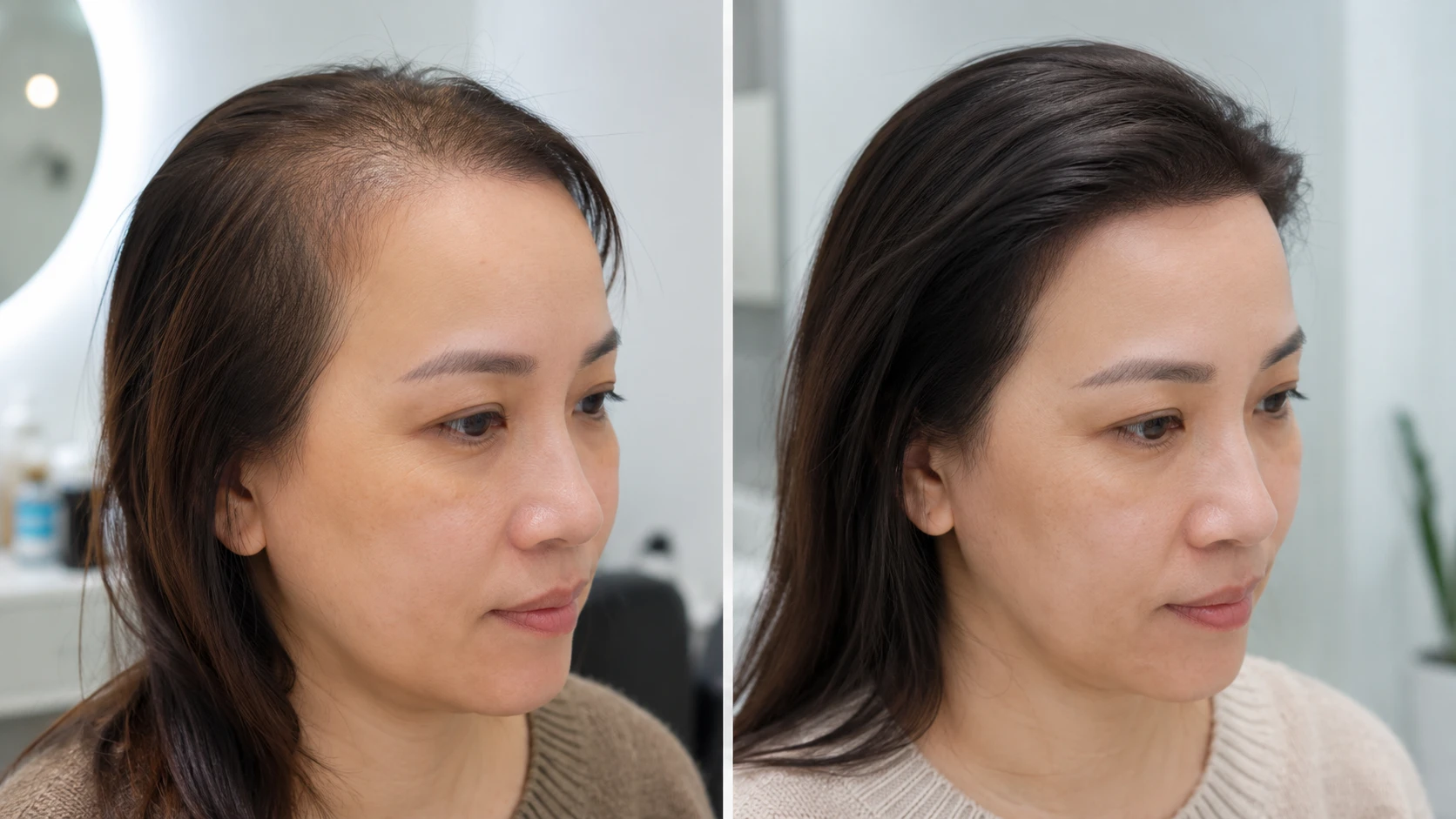
Images are for reference only. Actual results may vary depending on individual constitution, the method performed, and each client’s recovery process.
Related Services
You May Be Interested In
Không tìm thấy dịch vụ trong danh mục này.
Frequently Asked Questions
Things to Know Before You Start
1.Is a hair transplant painful and how long does it take for the hair to grow back beautifully?
2.Will the hair fall out again after transplantation and how long does it last?
3.Can people with long-term baldness or very thin hair have a hair transplant?
The content in this article is developed based on reputable medical documents and consultation with a team of doctors specializing in plastic surgery, with many years of experience in evaluating and treating hair transplant conditions.
Information is for reference purposes to help clients understand better before making a decision. For appropriate indications and optimal results, you should undergo a direct examination and receive personalized consultation from a specialist doctor.

Contact DD Medi now for a free hair transplant protocol consultation
Clients will receive consultation support and be connected with selected Korean clinics and experts to optimize the care experience, medical communication, and treatment orientation tailored to individual needs.
DD MEDI HEADQUARTERS IN VIETNAM
Meet the DD MEDI Team
In Ho Chi Minh City
